Huizhou Architecture
Introduction
Huizhou architecture, originating from the Southern Song Dynasty (1127-1279), is a distinctive style of traditional Chinese architecture that reflects a harmonious blend of residence, aesthetics and practicality. The architecture is renowned for its intricate carvings made of wood, brick and stone. These elements not only serve decorative purposes but also convey cultural stories and values through their artistic expressions. The architecture is primarily located in the Huizhou region, encompassing parts of modern-day Anhui and Jiangxi provinces.
Historical Background
The emergence of Huizhou architecture can be traced back to the Southern Song Dynasty, where it developed in response to the mountainous geography and socio-economic conditions of the region. Historically, Huizhou was a prefecture that straddled the border between southern Anhui and northern Jiangxi. Due to poor soil conditions and limited agricultural opportunities, many Huizhou residents became merchants, gaining wealth and status in the process. With this wealth, they returned to their hometowns to construct elaborate residences, infusing them with cultural and artistic significance.
Architectural Features
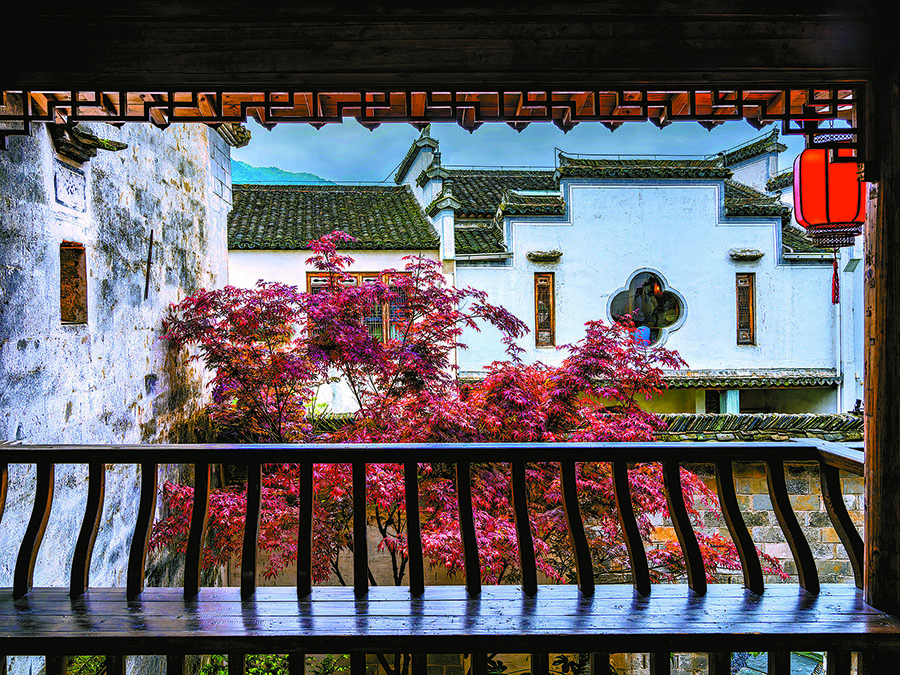
Huizhou architecture is characterized by its elegant white walls, dark tiles and horse-head gables. The layout of these buildings is often determined by the natural terrain, adapting to the mountainous landscape to maximize available space and natural light. The inclusion of open courtyards allows sunlight to penetrate interior spaces, promoting ventilation and creating an interplay of light and shadow. This architectural design not only addresses practical living needs but also embodies traditional Chinese philosophies of harmony between humanity and nature.
The artistry of Huizhou architecture is prominently displayed through its intricate carvings, which are integral to the aesthetic appeal and cultural significance of the buildings. The three primary types of carvings—wood, brick, and stone—are used in various parts of the buildings, each serving a specific decorative and symbolic function.
Wood Carvings: Often found in the interior of buildings, wood carvings decorate beams, windows and doors. They are known for their smooth lines and detailed expressions, often depicting historical stories, auspicious symbols and moral values. The craftsmanship reflects the skills of Huizhou artisans and their ability to convey complex narratives through simple materials.
Brick Carvings: Typically adorning the facades and entrances of residences, brick carvings are known for their multi-layered design, creating a three-dimensional effect. They often include intricate patterns and motifs that signify the homeowner's status and aspirations.
Stone Carvings: Stone carvings are commonly used in more robust structures like ancestral halls and paifang (memorial arches). They are often found on pillar bases and embody themes of family honor, filial piety and local legends.
Cultural Significance
Huizhou architecture is more than just a style of building; it is a reflection of the cultural heritage and social values of the Huizhou people. The architecture serves as a narrative medium, preserving historical tales, personal achievements and moral teachings through its carvings. Merchants played a significant role in shaping the architectural landscape of Huizhou, as their success and aspirations were often immortalized in the buildings they funded.
The preservation and restoration of Huizhou architecture have become a focal point in efforts to maintain cultural identity and heritage. Initiatives to convert traditional buildings into homestays and cultural sites have helped to reinvigorate local communities and attract tourism, which is vital for ongoing preservation efforts.
Preservation and Modern Influence
Efforts to preserve Huizhou architecture have been undertaken by both local residents and professionals, such as architects and cultural heritage experts. The restoration of these buildings often involves meticulous work to maintain their original aesthetic and structural integrity. The transformation of ancient complexes into tourist destinations has provided both a means of conservation and a way to educate the public about Huizhou's rich cultural history.
In contemporary times, Huizhou architectural elements are being adapted into modern designs, bridging the past and present. This includes the use of traditional carving techniques in new constructions and artistic endeavors, ensuring that the legacy of Huizhou architecture continues to inspire and influence future generations.








